
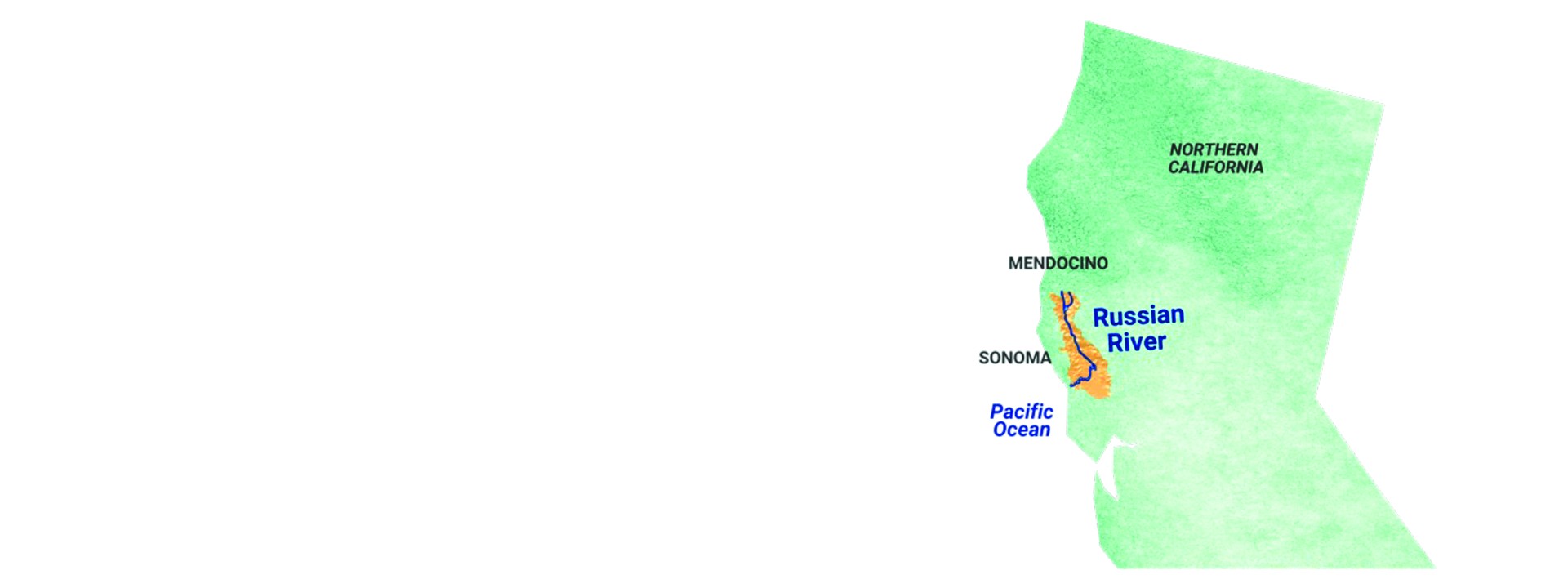
Passive Floc Logs Protect California’s Russian River
The challenge
On a 20-acre residential development in Sonoma County, California, stormwater discharging to the Russian River had to stay within 10% of background turbidity. The river supports salmonid species and the endemic Russian River tule perch. Highly erosive clay soils kept turbidity in the site’s nine ponds at 110–160 NTU despite multiple sediment basins, because fine particles would not settle. California construction sites that disturb one acre or more need coverage under the California State Water Board Construction Stormwater General Permit.
The solution
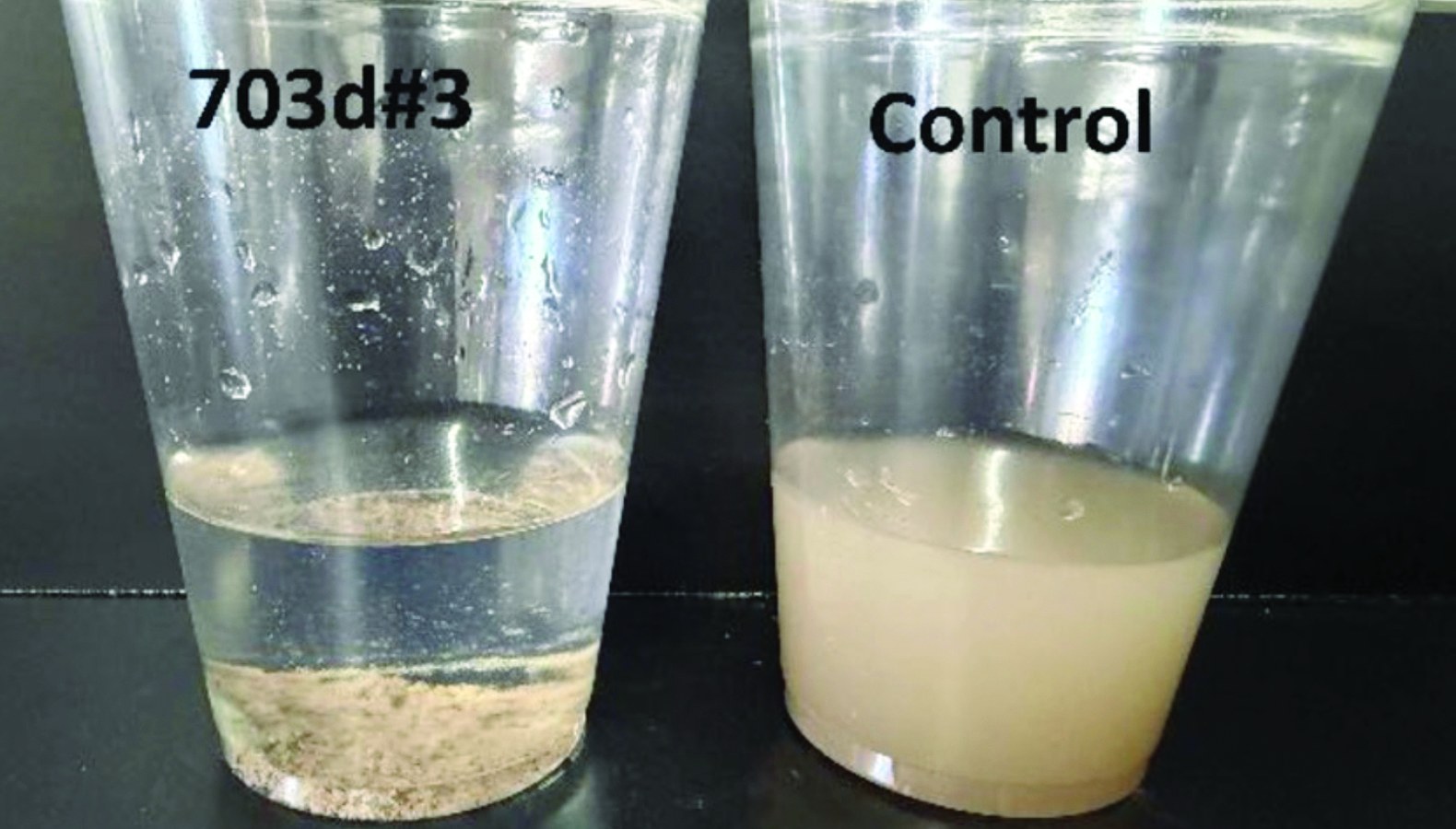
Working with Active Treatment Systems Inc. and Centrifloc, APS helped design one of the first passive flocculant treatment systems in California’s North Coast Region, reviewed with the local municipality and the North Coast Regional Water Quality Control Board under a formal Passive Treatment Plan. Only food- or drinking water-grade anionic PAM products were considered. In lab testing with site water, the APS 703d#3 Floc Log cut turbidity from about 510 NTU to 13.8 NTU. The same Floc Log approach is covered in the Engineered Clarity pipeline study.
The setup
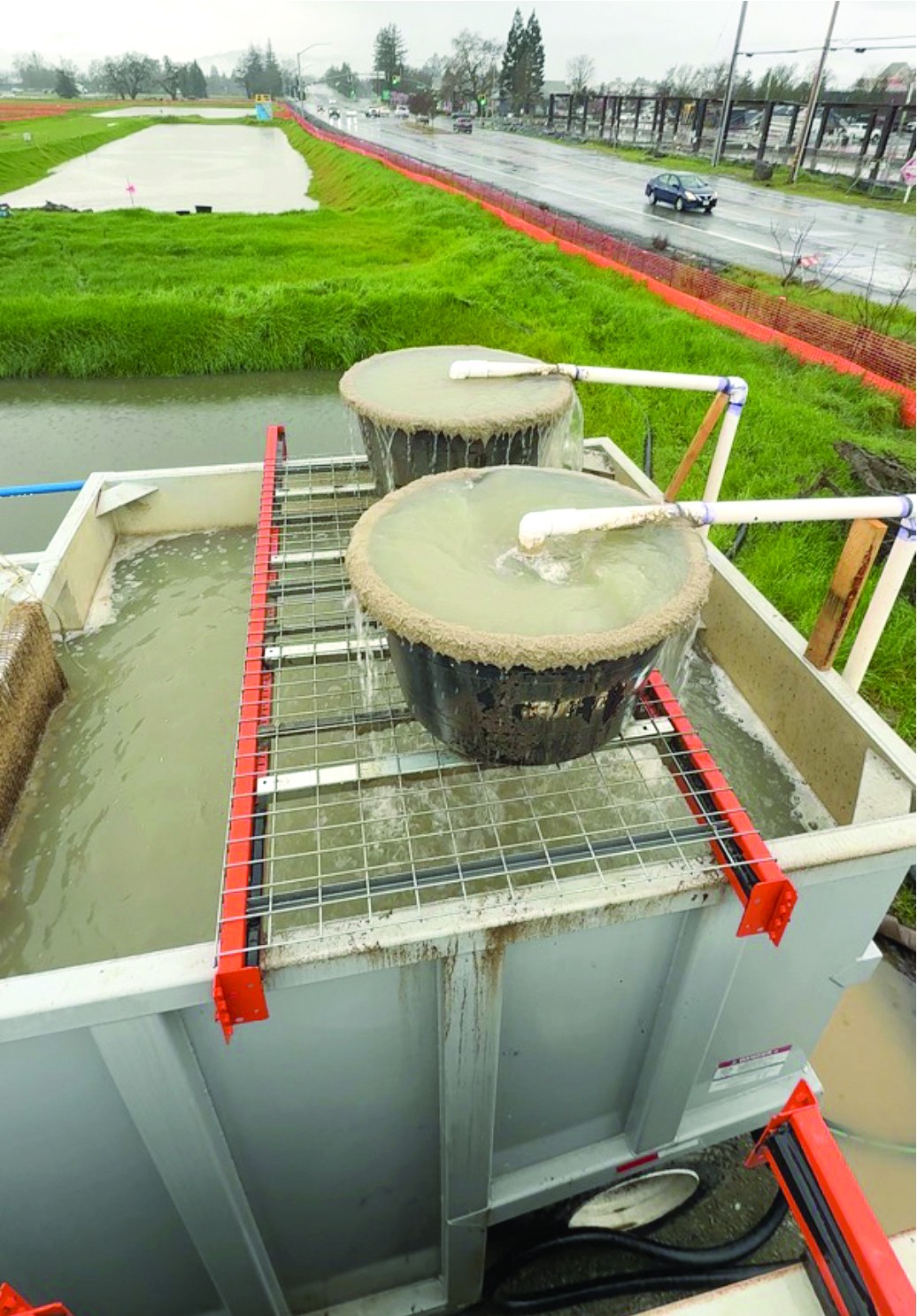
Stormwater was pumped from the sediment basins to two parallel tank systems, where Floc Logs dosed passively inside CentriFloc mixing units. Sand filters clogged quickly with the large flocs, so they were replaced with jute matting, which improved floc capture and reduced maintenance. Modular control units logged turbidity, pH and flow every 15 minutes. Capturing floc on jute matting is one approach to sediment retention barrier enhancement.
The results
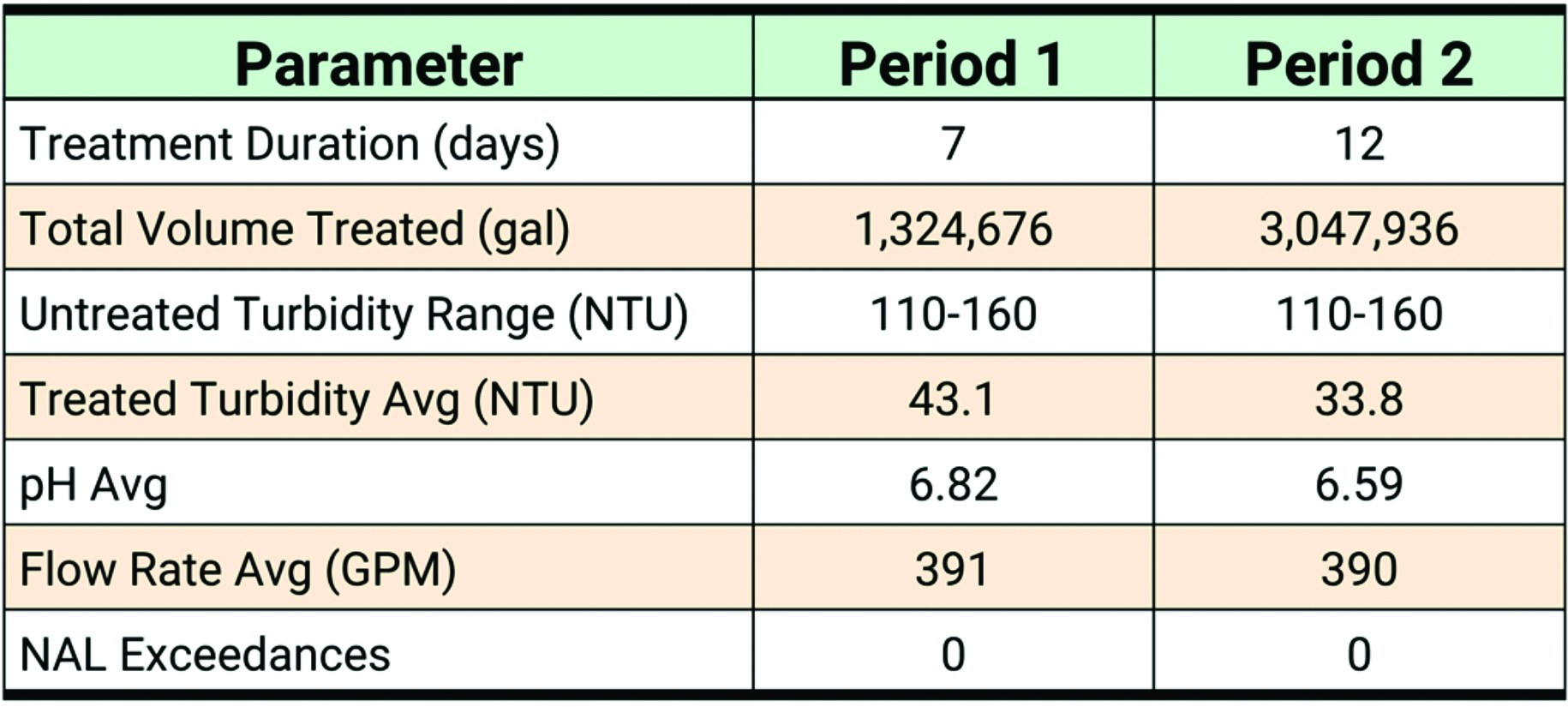
Across two monitoring periods in February–March 2026, the system treated more than 4.3 million gallons of stormwater. Average effluent turbidity was 43.1 NTU in the first period and 33.8 NTU in the second. All treated effluent stayed within allowable limits, with no NAL exceedances. The article first ran in the magazine of the International Erosion Control Association (IECA). Related passive treatment work includes the NC Sediment Basin case study and metals and turbidity cut in an Edmonton ravine. More results are in the APS project library.
Site: 20-acre residential development, Sonoma County, California (Russian River watershed)
Project: Passive flocculant treatment of construction stormwater
Partners: Active Treatment Systems Inc., Centrifloc, Applied Polymer Systems Inc.
Products: APS 703d#3 Floc Log (anionic PAM)
When: February 11 – March 1, 2026 monitoring periods
Figures courtesy of IECA Environmental Connection; photos: Spencer Davis/Active Treatment Systems Inc.