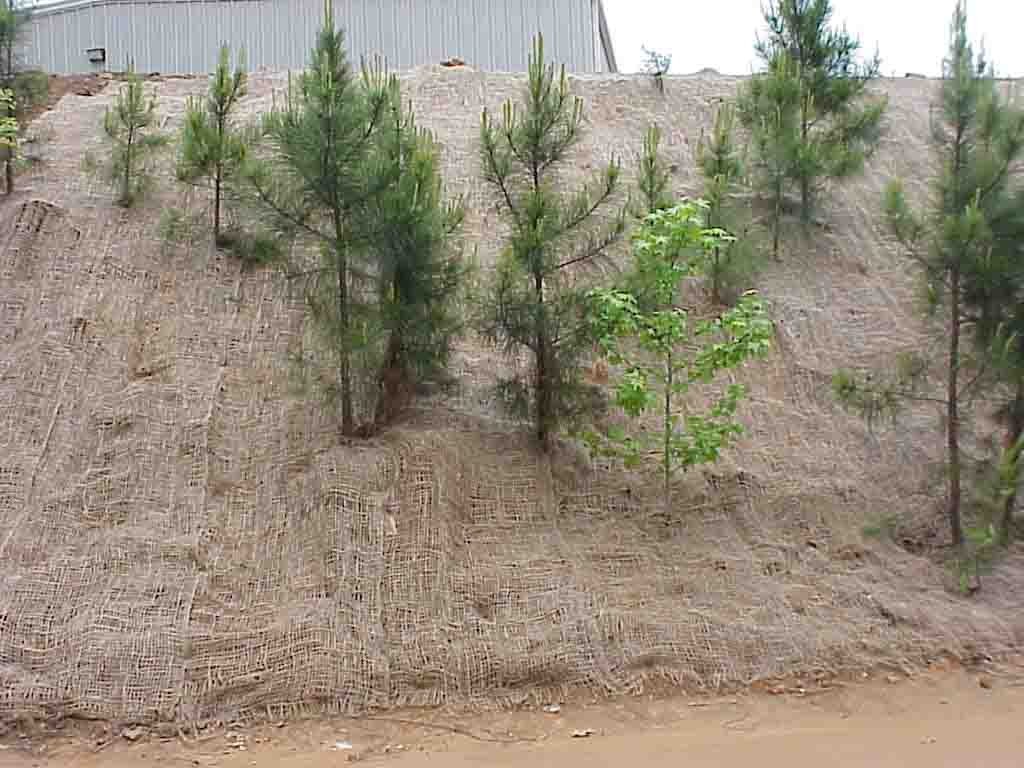
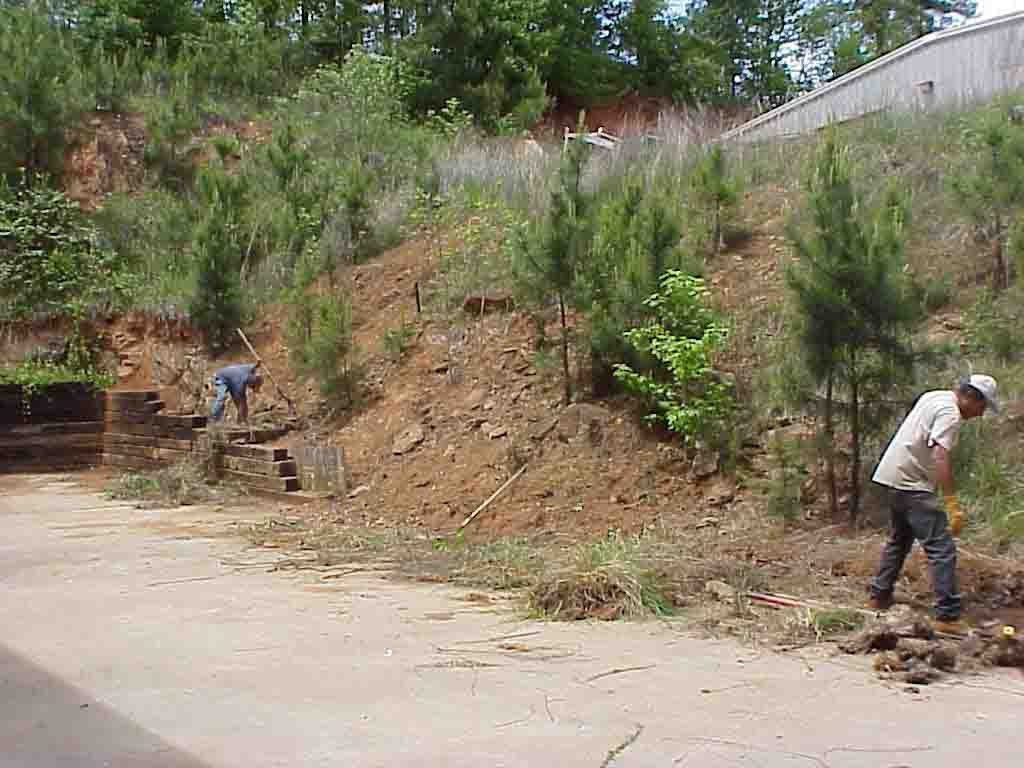
 Exposed soil and slopes need cover that lasts until roots take hold. APS adds a soil-specific polymer—700 Series Silt Stop® powder or 600 Series Silt Stop® emulsion—into the hydroseeding mix so mulch, seed, fertilizer, and additives bind to the soil surface. Open-weave jute or coir (½–1 inch openings) can go down first on steep or sandy slopes for structural support, creating a highly erosion-resistant surface; the hydroseed mix is then sprayed over the matting.
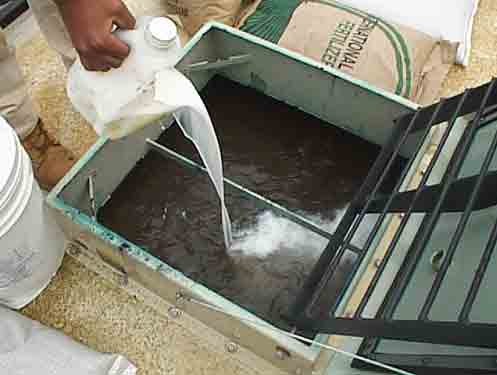
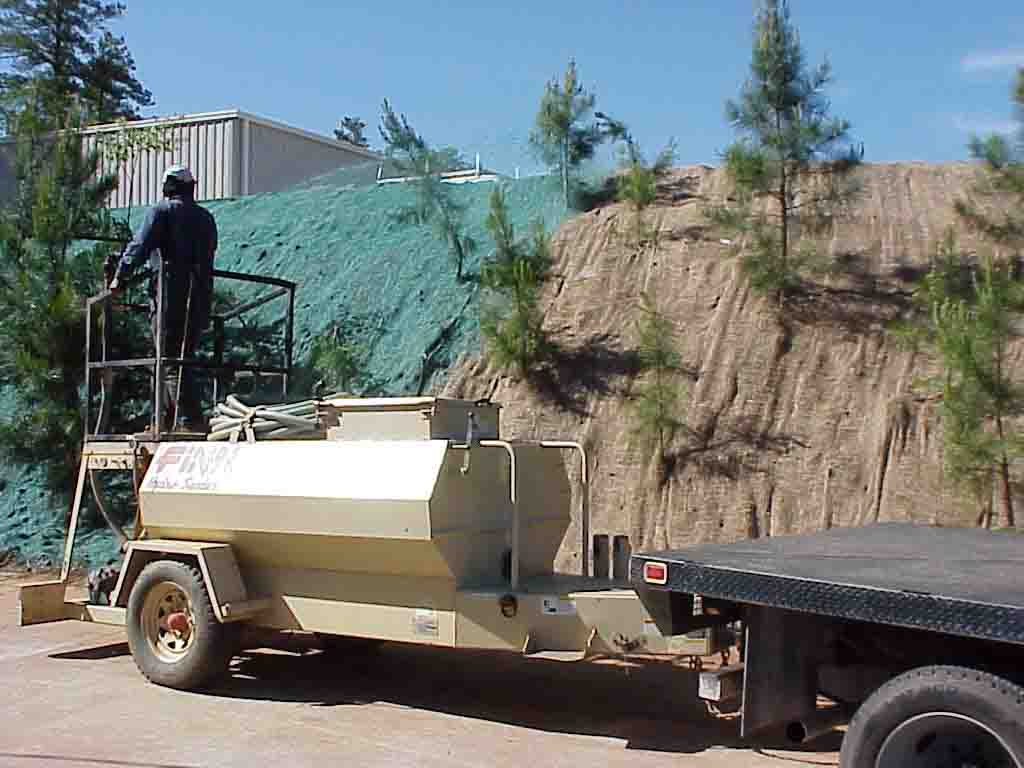 Application rates (per acre) depend on soil type and slope grade: steeper and sandier slopes take more polymer. Current per-acre hydroseeding rates are listed on the 700 Series (powder) and 600 Series (emulsion) product pages, and site testing selects the correct polymer type; do not exceed recommended rates. Add Silt Stop last, slowly, with the agitator running—dumping it in all at once causes clumps and can clog equipment—then mix (about three to five minutes for powder, one to two minutes for emulsion) and spray promptly while the mix is still workable.
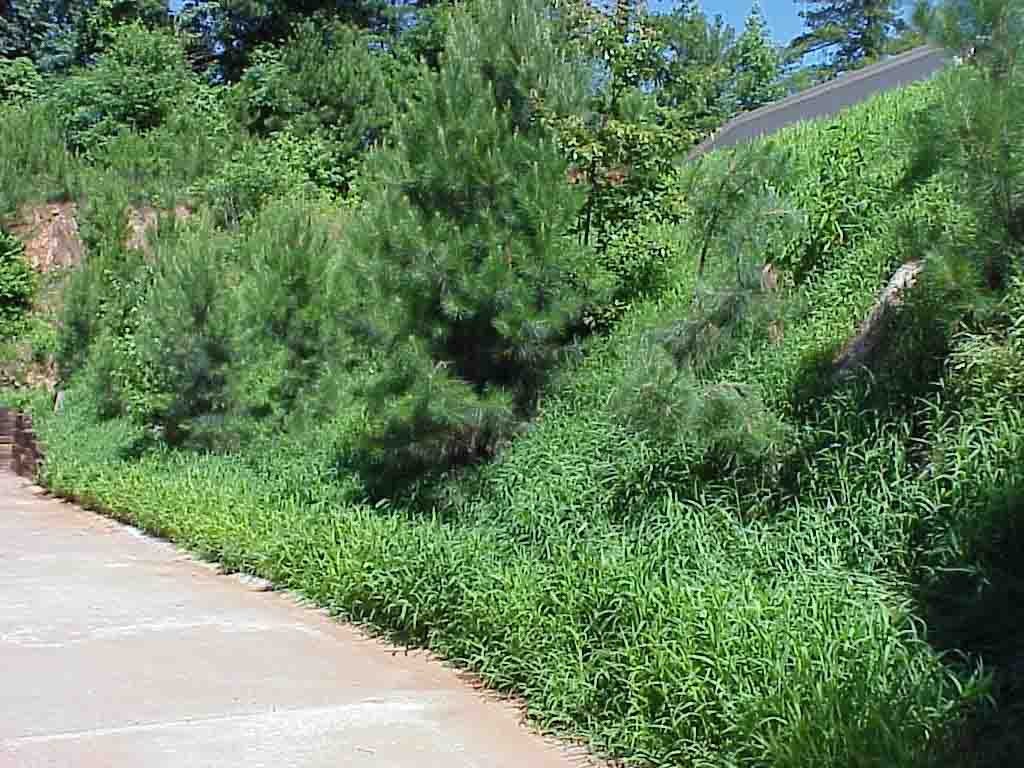
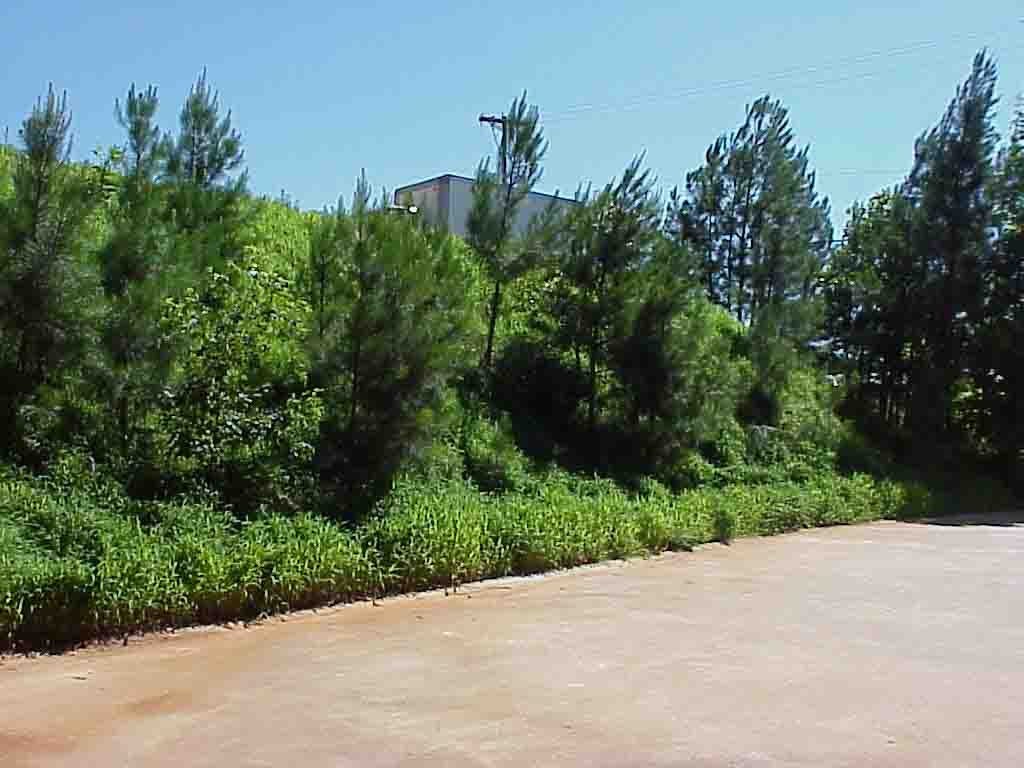
The same polymer can dry-spread with a seed/fertilizer spreader, then cover with straw or mulch. Whether sprayed or dry-spread, the polymer matrix holds seed until vegetation establishes—an erosion control BMP that pairs chemistry with matting and cover practices. For field results, see polymer hydroseeding on Georgia subdivision slopes and polymer soft armor on slopes above a Michigan trout stream, or browse all APS case studies.
Project: Soil-specific polymer in hydroseed and dry-spread mulch systems
When: BMP guidance (field photo sequence)
Partners: Applied Polymer Systems, Inc.
Products: APS Silt Stop® powder or emulsion · open-weave jute/coir matting · seed/mulch
Hydroseeding project gallery